
Using AI for Client Work? Designers Need to Know This
The Part About AI Design Nobody Talks About
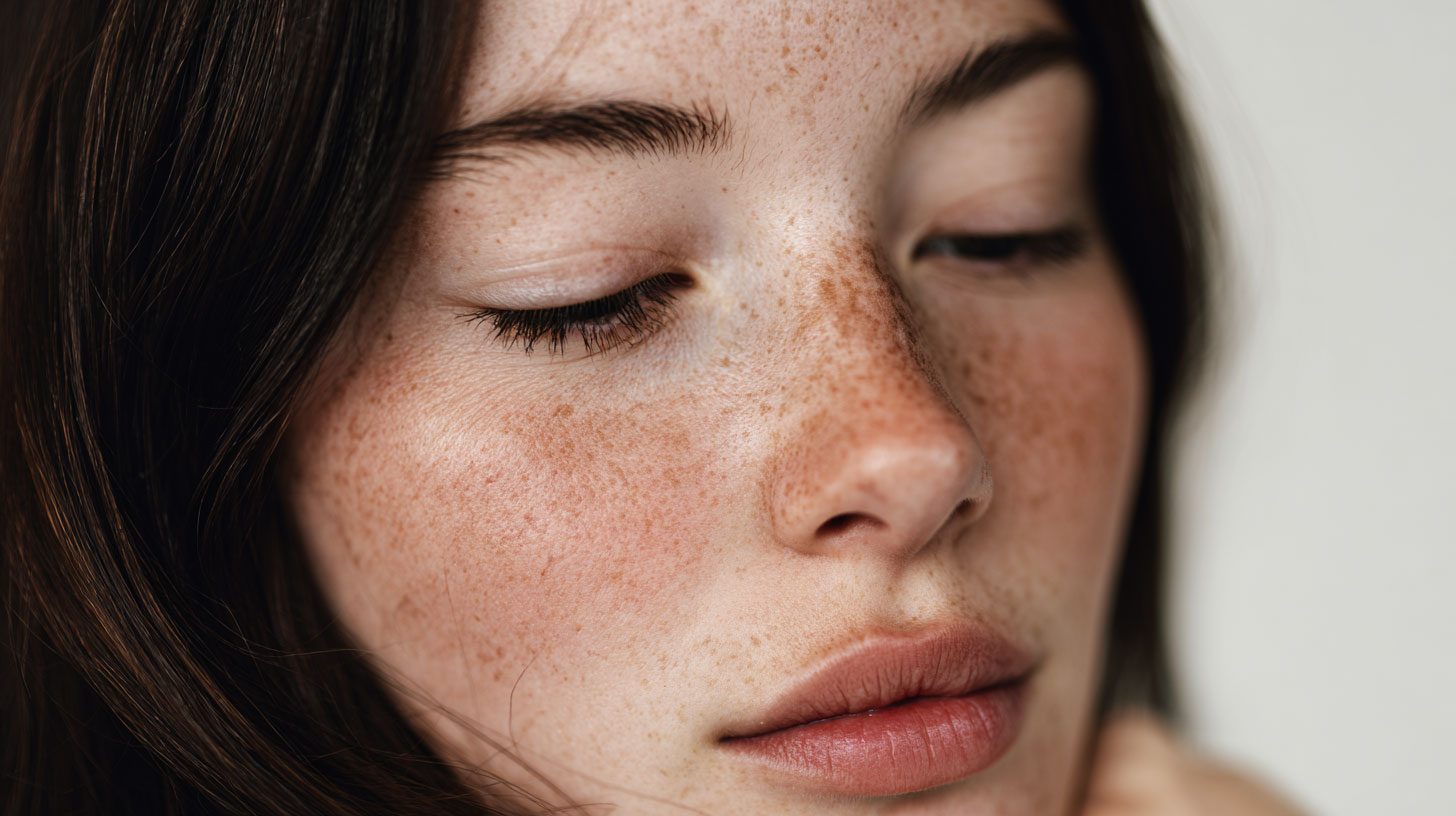
Lately, I realised that many designers, and honestly also many clients, still don’t fully know what actually happens to AI-generated images once they are created. Especially now that AI has become part of almost every creative workflow. Moodboards, campaign concepts, branding directions, packaging visuals, Pinterest content, entire identities. We are all using these tools in some way. And one question comes up constantly from clients:
“Can we actually use these AI-generated visuals commercially?”
The answer is not as black and white as many people think. Because generating an image with AI does not automatically mean that the image is fully protected, fully private, or entirely exclusive to you. And this is something I think designers should communicate much more transparently when AI becomes part of a client process.
What made me look deeper into this topic was actually my own experience. Recently, I came across visuals on another designer’s Instagram feed that looked extremely similar to images I had generated earlier myself. Similar composition, atmosphere, details, even visual structures. Of course, AI can naturally create overlaps, but it made me stop and ask myself how these platforms actually handle generated content behind the scenes. When you create images in Midjourney, for example, most generations are public by default. This means prompts, concepts, and outputs can potentially be visible, referenced, remixed, or reproduced within the ecosystem. Midjourney itself describes the platform as an open community where public content can be viewed and remixed by others.
Many designers are not aware of this when creating unreleased client concepts, packaging directions, or confidential visual explorations.
Midjourney does offer a Stealth Mode feature within its Pro and Mega plans, which allows users to make “best efforts” to keep generated assets from being published publicly. But even there, it is important to understand the nuance: if content is created inside shared Discord spaces, people within those channels can still see the generations, regardless of Stealth Mode being activated.
You can read more about that here: Midjourney Stealth Mode
The copyright side is equally important to understand. Midjourney states in its Terms of Service that users own the assets they create “to the fullest extent possible under applicable law,” while also explaining that by using the platform, users grant Midjourney a broad license to reproduce, distribute, publicly display, and create derivative works from both uploaded content and generated assets.
This is especially relevant for designers working commercially. Because when clients ask whether AI-generated content can be used commercially, the real answer is more nuanced:
Yes, in many cases it can. But designers should also explain that AI-generated content exists within evolving copyright frameworks, platform-specific licenses, and varying levels of ownership protection depending on the jurisdiction and the tool being used.
You can read Midjourney’s Terms here: Midjourney Terms of Service
I also think this changes how we should approach references inside AI workflows. Uploading campaign imagery, competitor branding, fashion photography, artworks, or Pinterest visuals directly into generators may create results that reproduce recognizable similarities in ways many people do not fully anticipate yet. As designers, we are not only creating visuals anymore, we are also navigating responsibility around originality, authorship, and client protection.
Personally, I still believe AI is an incredible creative tool when used thoughtfully. I use it myself. Not as a replacement for design thinking, but as part of a larger creative process. A tool for exploration, world-building, visual direction, and experimentation. The real value still comes from human perspective, strategy, taste, composition, and emotional intelligence. AI can accelerate ideas, but it cannot replace creative vision.
And I honestly believe the designers who will stand out in the next years are not the ones generating the most images, but the ones who understand how to use these systems intelligently, ethically, and with clarity.
Inside Studio Method, I’ll also go much deeper into this topic, modern AI workflows, copyright awareness, ethical usage, creative systems, and how to integrate AI into a thoughtful design practice.
Join the waitlist now.


.jpg)


